Why Strong Men Struggle in Silence: Marine Gregory Myer on Mental Health & Resilience


What happens when the men who seem the strongest on the outside are silently struggling on the inside?
In this episode of the Joel Gandara Podcast, Gregory Myer, a former U.S. Marine, law enforcement officer, and licensed mental health counselor, shares his journey from military service to helping people overcome personal challenges and improve their mental well-being. After five years in the Marine Corps and a career in law enforcement, physical injuries forced Gregory to rethink his future, ultimately leading him to discover a new purpose in mental health counseling.
Together, Joel and Gregory explore why successful men often carry enormous pressure without asking for help, how childhood experiences shape our beliefs and relationships, and why true resilience requires more than simply pushing through difficult situations. They discuss the importance of accountability without self-criticism, how to replace unhealthy coping habits with healthier alternatives, and why small, consistent actions are more effective than chasing perfection.
This is a conversation every man, father, entrepreneur, and high performer needs to hear. Because real strength isn't about handling everything alone. It's about recognizing when you need support, building meaningful relationships, and developing the tools to become a healthier, more resilient version of yourself.
**In This Episode:**
* Why successful men often struggle in silence despite appearing to have everything together
* Gregory's journey from the Marine Corps and law enforcement to mental health counseling
* The challenges of transitioning from military service to civilian life
* How childhood experiences influence our beliefs, relationships, and emotional responses
* Why allowing children to experience adversity helps build resilience
* How fathers can improve communication with their adult sons
* The hidden emotional pressure entrepreneurs and high performers carry
* Why accountability and self-compassion should work together
* How negative self-talk can keep men trapped in unhealthy patterns
* Why asking for help is a sign of strength, not failure
* How physical activity and healthy coping strategies can help manage stress
* How to recognize when a friend or family member may be struggling
* Why our minds create negative stories and assumptions that aren't always true
* The five-minute strategy for overcoming procrastination and building momentum
* How small, realistic commitments build self-trust and lasting discipline
* Why consistency matters more than perfection when creating healthy habits
* The importance of male friendships, community, and making time for fun
* How finding the right support system can improve mental health and personal growth
**Resources Mentioned:**
* Gregory Myer's Counseling Practice: https://rpmcounseling.com
* Free 15-Minute Consultation: Available through Gregory's website
* Eventbrite: https://www.eventbrite.com
* Meetup: https://www.meetup.com
* The Brotherhood Men's Group
Subscribe to the Joel Gandara Podcast for weekly conversations with entrepreneurs, athletes, veterans, and high performers sharing real lessons on health, mindset, relationships, business, financial freedom, and becoming the man you were built to be.
If this episode made you rethink how you handle stress, approach personal responsibility, or support the people around you, please like, share, and leave a review. It could help another man realize he doesn't have to face life's challenges alone.
#JoelGandaraPodcast #GregoryMyer #MensMentalHealth
Check out our videos and short-form content on YouTube
https://www.youtube.com/@JoelGandara
31 Days to Become a Better Man - Challenge Course - Level Up in All Areas of Your Life
https://31dailychallenges.com/
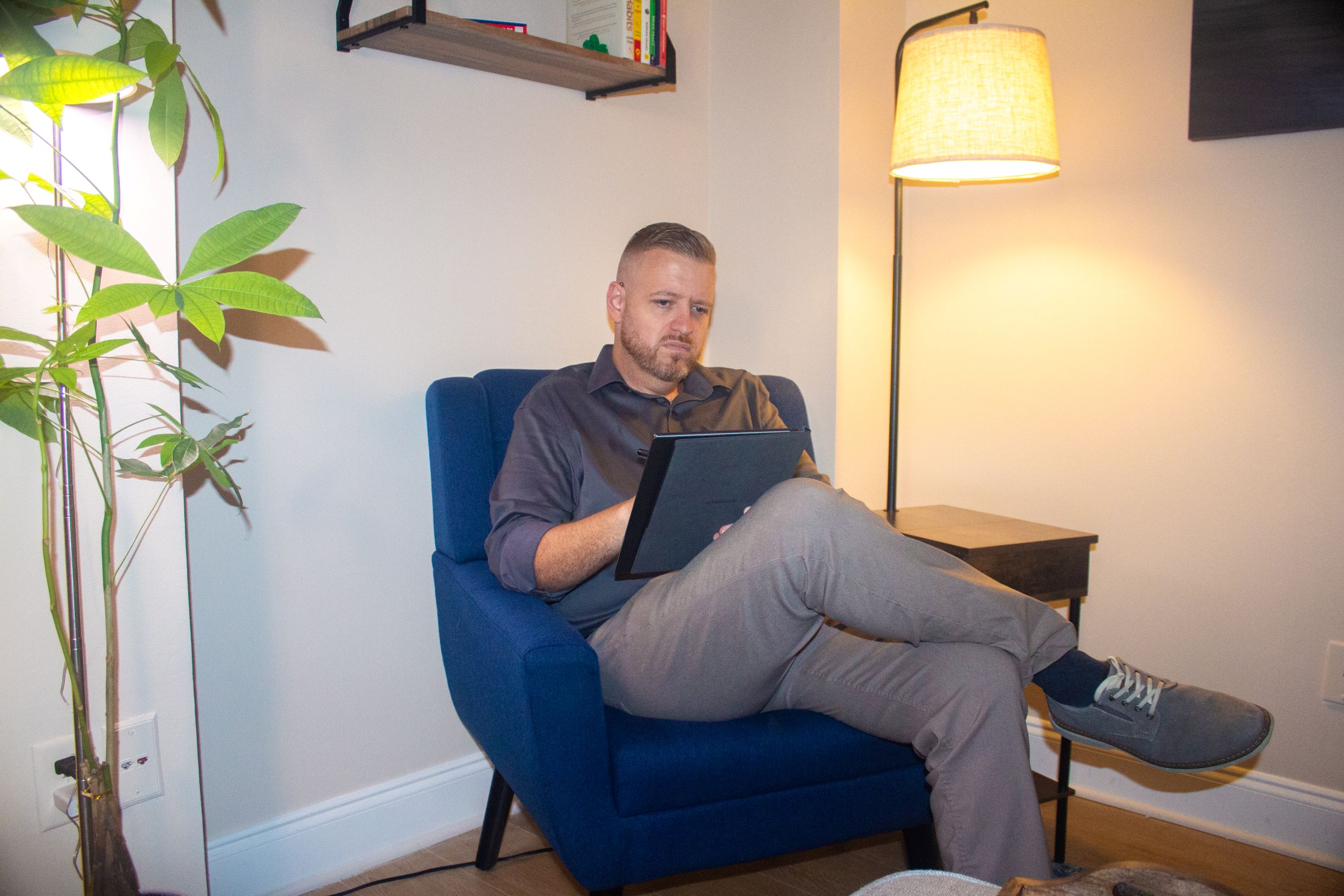
Licensed Mental Health Counselor
I’m a Licensed Mental Health Counselor (LMHC), military veteran, and the founder of RPM Counseling. I provide trauma-informed counseling for adults in Plantation and throughout Florida by telehealth.
I chose to become a counselor because I’ve seen firsthand how difficult it can be to carry stress, responsibility, and difficult experiences without having the right space to process them. My professional background includes mental health counseling, crisis intervention, behavioral health coordination, law enforcement-related training, and working with people navigating high-stress environments. Those experiences continue to shape the practical, grounded approach I bring to counseling.
Before becoming a counselor, I served in the United States Marine Corps as a Military Police Officer. That experience gave me firsthand exposure to high-pressure environments, structure, responsibility, and the culture that can come with roles where you’re expected to stay composed and keep moving forward. It also taught me the importance of trust, communication, resilience, and having a place to work through difficult experiences before they begin affecting other parts of your life.
Over time, I became increasingly interested in what happens when people are struggling beneath the surface – especially when they are used to being the person others rely on. I wanted to create the kind of counseling environment that feels approachable, practical, and grounded in real life.
That is a big part of why I created RPM Counseling.


